Structure comparison
Two games, side by side
The structural difference between two games, assembled from published specifications only. Nothing here forecasts a result or recommends either game.
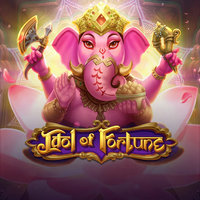
Idol of Fortune
Play’n GO
- Format family
- Ways to win
- RTP
- 96.20%
- Volatility
- High
- Win cap
- 10,000×
- Reels
- 5
- Theme signals
- East Asia
VS
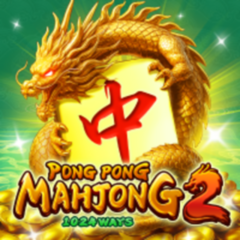
Pong Pong Mahjong 2
Microgaming
- Format family
- Ways to win
- RTP
- Not published
- Volatility
- High
- Win cap
- Not published
- Reels
- 5
- Theme signals
- East Asia
VS

Mysterious
Pragmatic Play
- Format family
- Ways to win
- RTP
- 96.50%
- Volatility
- High
- Win cap
- 9,648×
- Reels
- Not published
- Theme signals
- East Asia
Reading the difference
Reading the difference
Some dimensions are excluded because one studio does not publish that figure.
Idol of Fortune vs Pong Pong Mahjong 2
- Both titles are built on the same format family: Ways to win. Differences between them therefore come from tuning, not from structure.
- They come from different studios — Play’n GO and Microgaming — which is what makes the comparison useful: the same problem, two house styles.
- RTP cannot be compared: Pong Pong Mahjong 2 does not publish one.
- Both carry the same volatility label: High.
- Shared theme signals: East Asia.
Idol of Fortune vs Mysterious
- Both titles are built on the same format family: Ways to win. Differences between them therefore come from tuning, not from structure.
- They come from different studios — Play’n GO and Pragmatic Play — which is what makes the comparison useful: the same problem, two house styles.
- Published RTP: 96.20% against 96.50% — Mysterious is 0.30 points higher. RTP is a long-run theoretical figure, not a session forecast.
- Both cap out at roughly the same place: 10,000× and 9,648×.
- Both carry the same volatility label: High.
- Worth noticing: the higher RTP and the higher win cap sit on opposite sides. Mysterious returns more in theory over the long run, while Idol of Fortune reaches further at its ceiling. The two numbers answer different questions.
- Shared theme signals: East Asia.
Add to the comparison (up to four)